Glacierfernplay
Weeks-long campaignsReal-time mapsFree to enlist

Six war games worth a whole winter of orders

Glacierfernplay is a reading room for people who like their wars slow, cunning and shared with strangers. We joined rounds, kept alliances, lost capitals and checked our marches before breakfast, then wrote down what each game asks of your week, where it rewards patience and where it simply wears you out.

6campaigns played to the late game
3eras, 1914 to the present
4criteria scored on every review
0accounts needed to read the site
Questions from the mess hall

What readers ask before their first round

Less per day than people expect, and more per month. In the map-wide games, most turns are a few minutes of orders followed by hours of marching, so three or four short check-ins a day keep you competitive. The catch is commitment: a round runs for weeks, and an empty chair on a busy day can cost you a province you spent a fortnight taking.

Yes, all six are free to start and free to keep playing. Each one sells optional speed-ups and conveniences, and our fairness score measures how much those purchases bend a round. A patient commander who leans on allies and good timing can do very well everywhere on our list; the games simply differ in how often a paying rival’s shortcut is felt on the map.

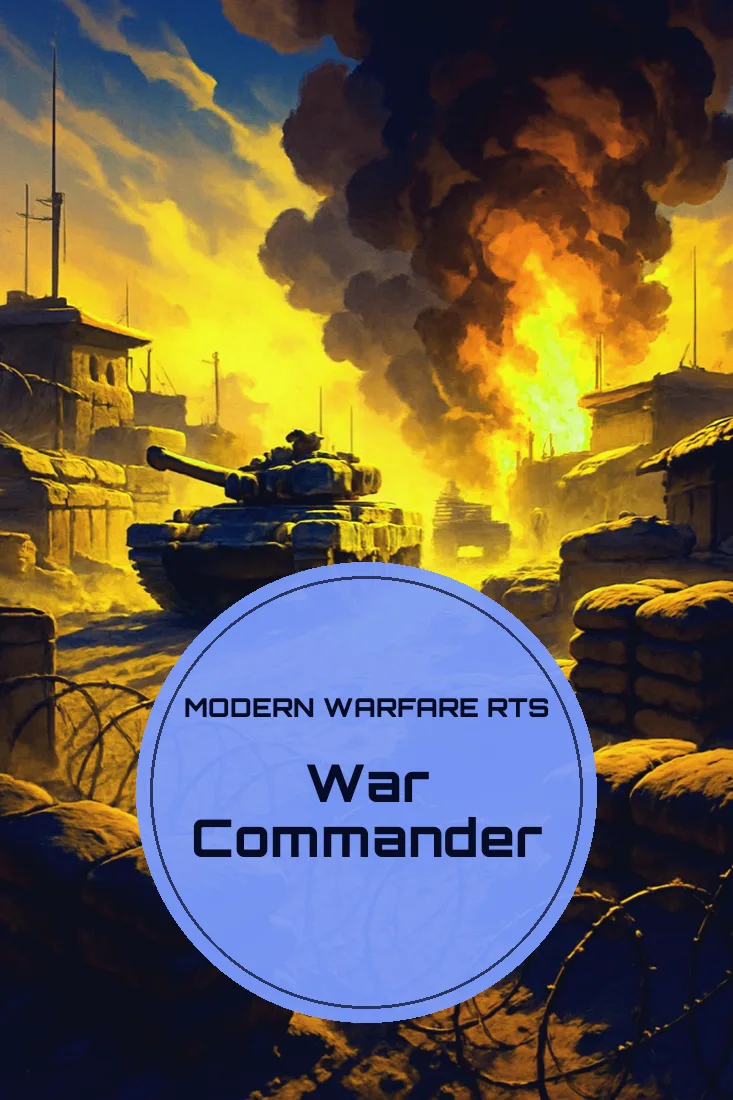
War Commander. Its attacks are played live: you select units, choose targets and react as defences open fire, then the fight ends and you rebuild. Base Attack Force is the next closest, with real-time vehicle groups on a shared map. The four grand-strategy games are built around waiting, and they are honest about it.

Not at all, though it adds flavour. The maps and unit names echo real eras, but the mechanics teach themselves: production needs resources, unhappy provinces produce less, distance costs time. Readers with a history degree and readers who skipped the class tend to struggle in exactly the same places, usually around the first alliance that goes sour.

For Call of War, Supremacy 1914, Conflict of Nations and Iron Order 1919, the publishers offer mobile apps alongside the browser, and we have found it handy to check marches from a phone while away from the desk. War Commander and Base Attack Force are desktop-browser games; War Commander’s mobile namesake, Rogue Assault, is a separate title.

The world keeps moving without you. In the round-based games your armies hold where you left them and your economy ticks on, but neighbours notice silence quickly. In Base Attack Force, which never ends, units and bases can be attacked while you are offline. Tell your allies before you vanish; good coalitions cover for each other.

By the four scores, the weekly time we logged and an editors’ argument about who each game is really for. Call of War leads because it teaches the genre so well. A lower rank is never a dismissal: Base Attack Force sits sixth, but a reader who wants an endless, contested frontier may find it the best fit on the page.

Maren’s front picker

Three questions between you and your first deployment

Maren has sent friends, cousins and one very competitive neighbour into these wars. Answer honestly about era, tempo and how often you can look at a map, and she’ll name the campaign that fits.

Maren
Six ways to make war

Pick the kind of commander you already are

These games share a genre label and very little else. Here is the temperament each one rewards, so you can match the campaign to how you think rather than to a screenshot.

planner

The quartermaster with a research plan

You enjoy deciding, on day two, which branch of a technology tree will win you the war on day twenty. Call of War pays that foresight back, because units must be researched before they exist and doctrines shape which army you can field.

Call of War →
diplomat

The envoy who wins before the shooting

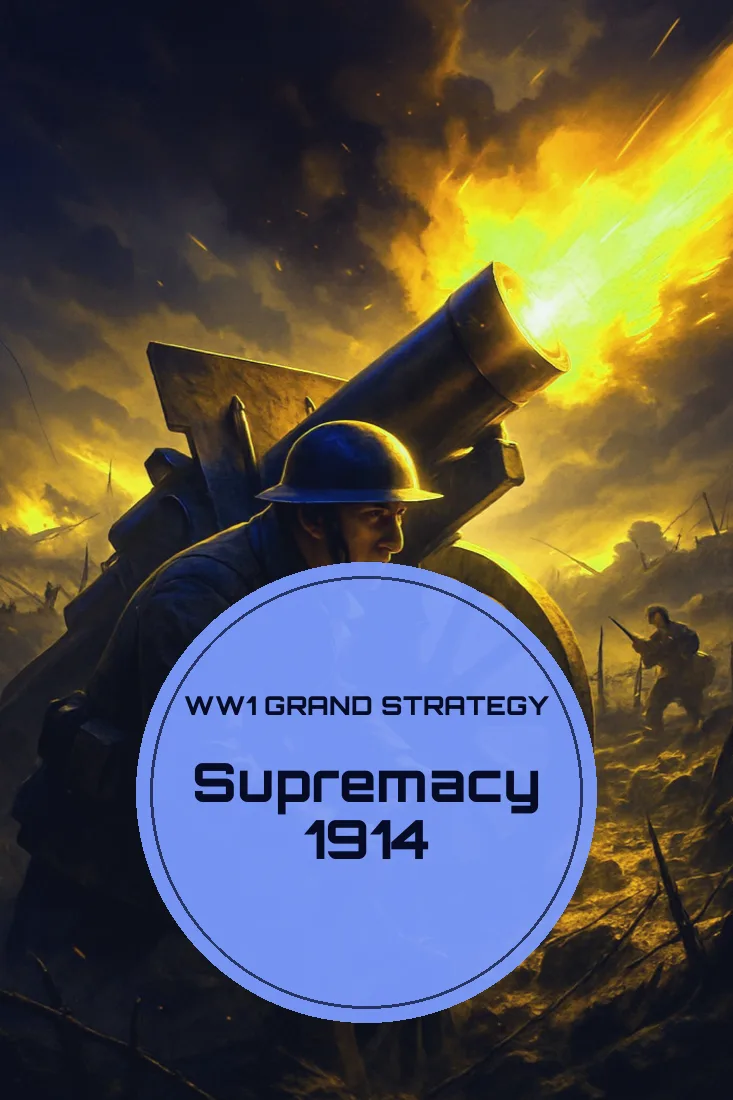
You would rather draft a treaty than a battle plan, and you read rivals the way a card player reads a table. Supremacy 1914 rewards the talker: a quiet border and a loyal neighbour are worth more than a dozen extra divisions.

Supremacy 1914 →
modernist

The staff officer who wants every modern tool

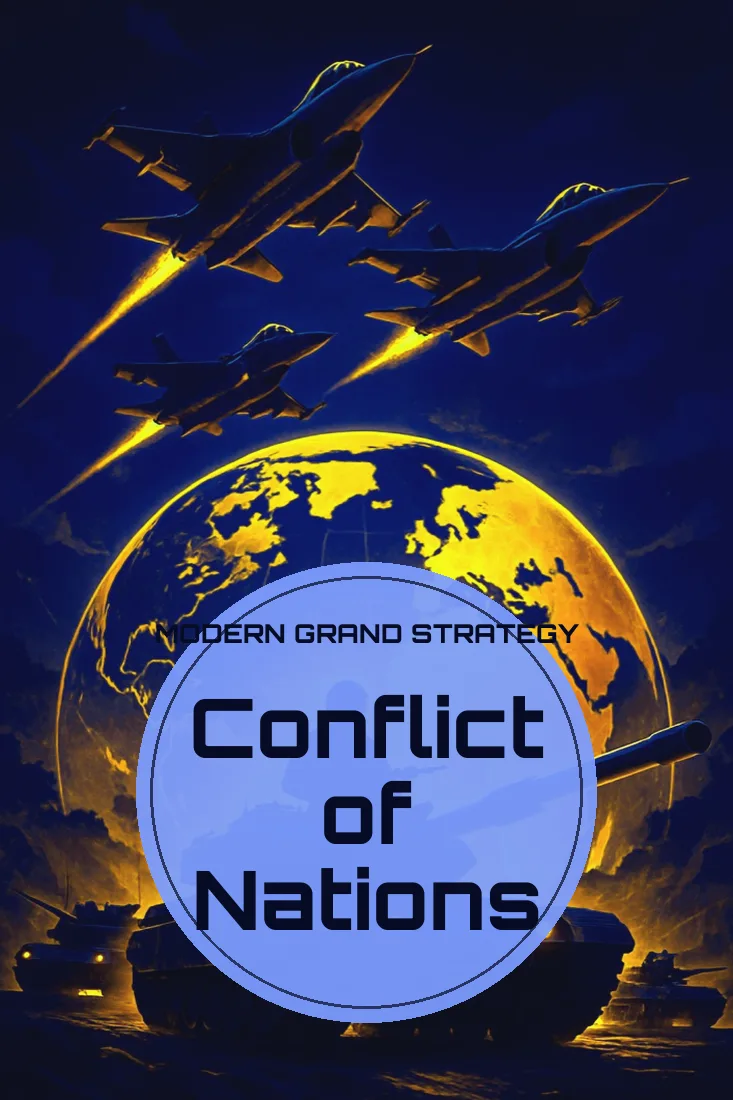
Submarines, stealth bombers, missiles, market trades — you like a big toolbox and a map of the whole world to use it on. Conflict of Nations gives modern-war strategists a long campaign with more moving parts than any other game here.

Conflict of Nations →
inventor

The engineer who prefers walking iron

History is a starting point, not a cage. If you like the Great War with its trenches rewritten by diesel-punk machines and towering Titans, Iron Order 1919 keeps the province-by-province grind but lets the hardware turn strange.

Iron Order 1919 →
raider

The field commander who wants the stick

Watching a battle resolve itself drives you up the wall. War Commander puts the tanks under your cursor, lets you pick targets mid-assault and then sends you home to rebuild your turret lines before the next visitor arrives.

War Commander →
frontier

The settler holding a never-ending frontier

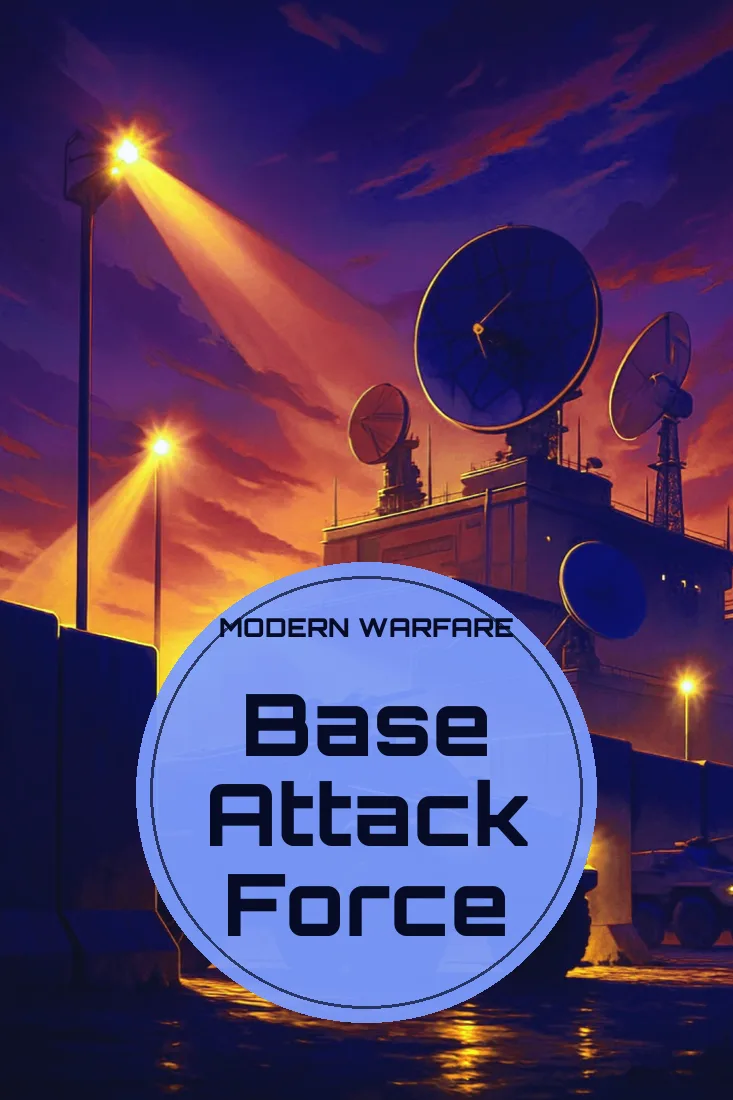
You like a world that keeps turning while you sleep and a map you can claim base by base. Base Attack Force is an endless war of concrete, steel and fuel, with highways linking map to map and alliances big enough to matter.

Base Attack Force →
The order of battle

Six campaigns, ranked by how well they reward a patient general

Four of these are map-wide grand strategy where a march takes hours and a treaty can matter more than a tank. Two are base-and-raid games where your hand is on the units in real time. Each card shows the era, the weekly rhythm and the score we gave after playing long past the tutorial.

Call of WarStart your war here01
WW2 grand strategy

Call of War

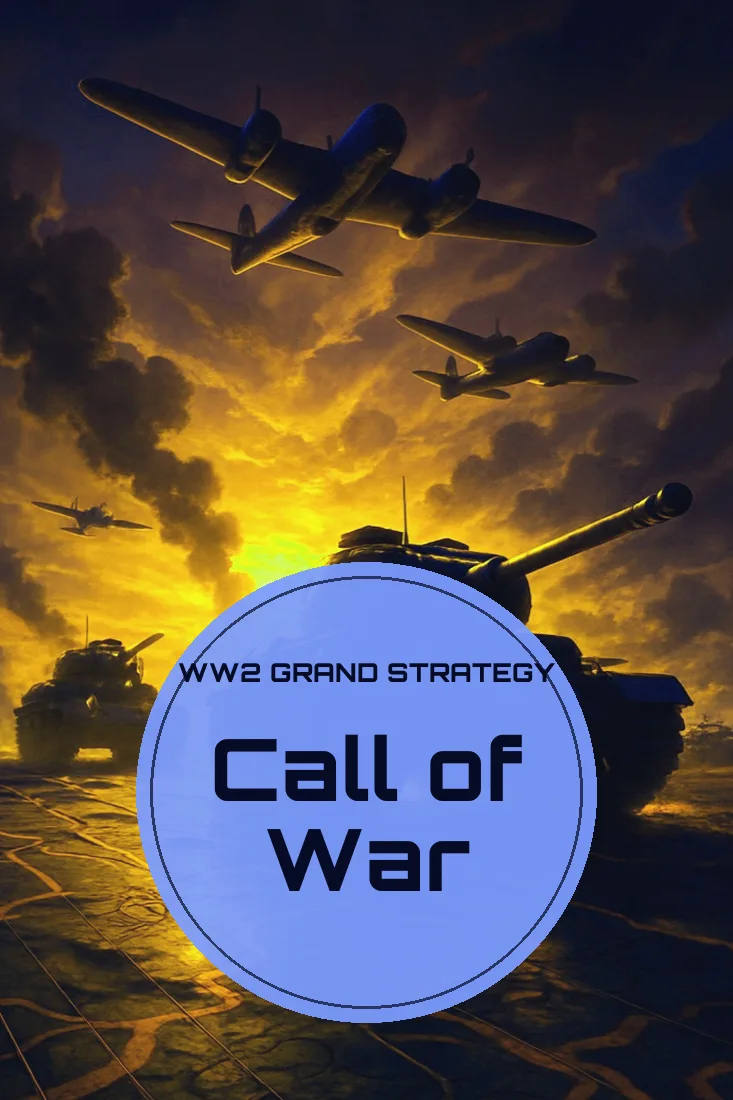
A Second World War campaign on a persistent map where nothing exists until you research it. Infantry, armour, air, naval and secret branches compete for your resources, doctrines split nations into different fighting styles, and marches take real hours. The best teacher of the genre we have played.

Combined forcesPersistent mapAlliances
Desktop browser; mobile app also available
Strategic depth9
Rhythm of a campaign7
Fairness to free commanders6
Alliance and diplomacy play8
Supremacy 1914The diplomat’s choice02
Great War grand strategy

Supremacy 1914

The Great War on a real-time map of Europe, where provinces feed your economy in proportion to their morale and newly taken land can rebel. Armies crawl, treaties matter and the in-game newspaper turns every betrayal into a headline. The finest game here for players who would rather negotiate than fight.

Real-time mapEconomy & armiesDiplomacy
Desktop browser; mobile app also available
Strategic depth8
Rhythm of a campaign8
Fairness to free commanders7
Alliance and diplomacy play9
Conflict of NationsBiggest modern toolbox03
Modern-era grand strategy

Conflict of Nations

A third world war in real time across the whole globe. Cities feed your economy, a market lets you trade surplus, and research reaches from infantry to submarines, stealth bombers and missiles. Campaigns run for days or weeks against dozens of rivals, with coalitions doing the heavy lifting.

Real-time world mapModern arsenalCoalitions
Desktop browser; mobile app also available
Strategic depth9
Rhythm of a campaign6
Fairness to free commanders5
Alliance and diplomacy play8
Iron Order 1919History, rewired04
Alternate-history strategy

Iron Order 1919

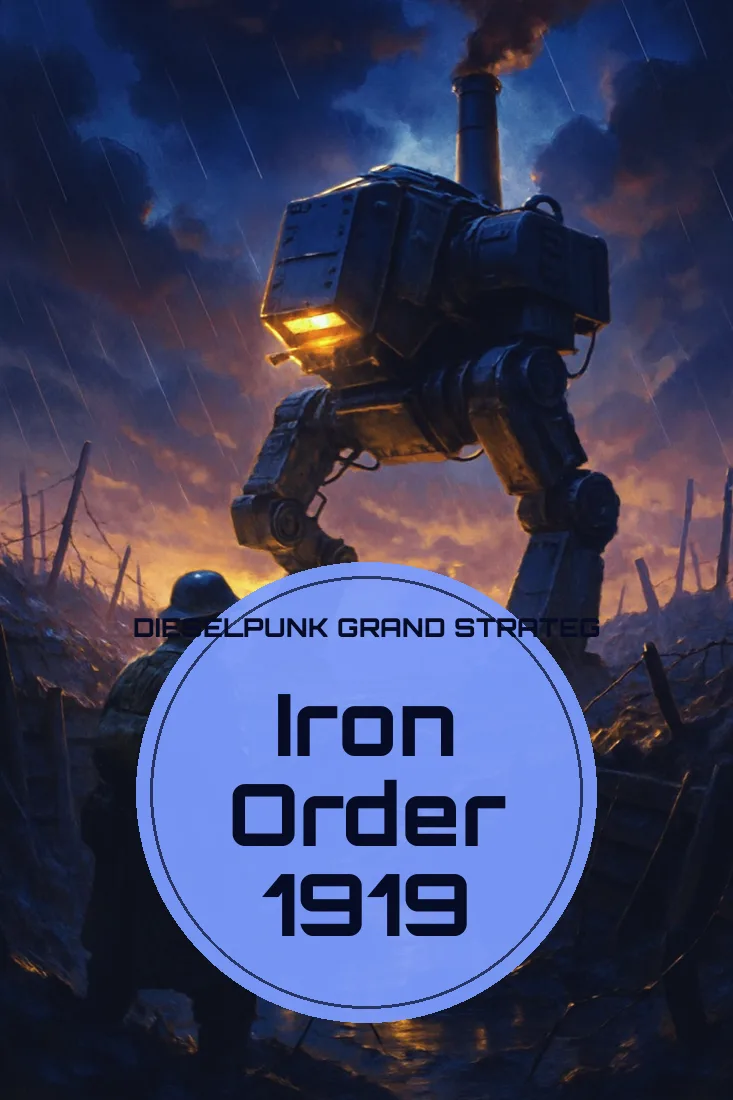
The Great War never ended, and by 1919 the battlefields belong to armoured Mechs and towering Titans. Underneath the diesel-punk machinery sits a proper province economy, research, treaties and real-time matches of up to 101 players. A stranger, louder cousin of Supremacy 1914.

Province economyMechs & TitansReal-time coalitions
Desktop browser; mobile app also available
Strategic depth7
Rhythm of a campaign7
Fairness to free commanders6
Alliance and diplomacy play7
War CommanderHands on the stick05
Real-time base raider

War Commander

Kixeye’s long-running base builder in a post-collapse world where oil, metal and thorium are worth fighting over. The twist is that raids are played live: you steer tanks, infantry and aircraft against turret lines yourself, then hurry home to rebuild your own defences before the next attacker arrives.

Base & turret layoutHands-on raidingEvent blueprints
Desktop browser
Strategic depth7
Rhythm of a campaign8
Fairness to free commanders5
Alliance and diplomacy play6
Base Attack ForceThe endless frontier06
Persistent base conquest

Base Attack Force

A real-time military strategy game that never ends. Ditogames’ browser war keeps running while you are offline, across linked maps of bases you capture, fortify and lose. Concrete, steel, aluminium and fuel feed tanks, boats, armoured trains and aircraft, and alliances of up to fifty members hold the frontier together.

Base buildingModern unitsAlliance play
Desktop browser
Strategic depth6
Rhythm of a campaign6
Fairness to free commanders6
Alliance and diplomacy play7
Sort and search every front →
Call of War
#1 · Start your war here
7.5/ 10
First campaign we hand to newcomers

Call of War

Call of War sits at the top of our table because it teaches the whole grammar of real-time grand strategy — research, production, supply of attention — on a Second World War map that rewards a careful plan over a fast trigger finger.

Second World War settingFive research branchesFour national doctrines

A round opens with a nation, a handful of provinces and a research screen split into infantry, armour, air, naval and secret branches. Nothing gets built until you research it, and some later tiers stay locked until the round has aged. That pacing is the point: you make one good decision, log off, and come back hours later to see whether it held. Doctrines add a second layer, because an Axis nation and a Comintern nation simply do not want to fight the same war.

How the desk earns a score

We stay in a round until the map stops being polite

The first three days of any strategy game are a brochure. The real game shows up around the second week, when borders harden, allies go quiet and your economy either carries you or it doesn’t. So that’s where our reviews are written from, with notes kept daily and scores argued between editors.

01

Enlist as a stranger, not a veteran

Each editor starts a fresh account and takes whatever nation or starting base the game offers a newcomer. No guides read in advance, no friends recruited to make life easy. We want to feel the onboarding the way you will, including the moment the tutorial lets go of your hand and the map suddenly fills with players who have done this forty times.

fresh accountno prepfirst impressions logged
02

Play the middle weeks on purpose

Most strategy reviews stop where the interesting part begins. We keep checking in through the long middle of a round — the stretch of supply worries, stalled fronts and alliance politics — and we record how many minutes a normal day really took. That number becomes the weekly-time line you see on every card, and it’s the one readers ask about most.

mid-gametime diaryreal weekly load
03

Argue the scores out loud

Two editors score every game separately on the same four criteria, then sit down and defend their numbers. Where we disagree by more than two points, we write the disagreement into the review instead of averaging it away. A score should mean something you can test: if we say a game is fair to free commanders, you ought to feel it by day five.

two scorersfour criteriadisagreements kept

Who pays for the ink

Glacierfernplay is free to read and always will be. Some play buttons are partner links, which means a publisher may thank us when a reader signs up through them; that money keeps the servers warm and the editors fed through long Canadian winters. It never buys a rank. The table is set by play time and argument, and when a partner game slips in our estimation, the score drops in public with the reasons written beside it.

Weigh up

Weigh two wars before you enlist

against
Before you sign your first order

Pick a front tonight, plan it over coffee tomorrow

Every one of these campaigns rewards the player who starts calmly. Read the review, take a nation that looks easy to defend, message a neighbour before you march, and give the map a week before you judge it. If it doesn’t click, the next war is one tab away.